"Flash floods: extreme flood events that can develop at a very rapid rate with little or no warning and that occurs whitin six hour of a rainfall event"
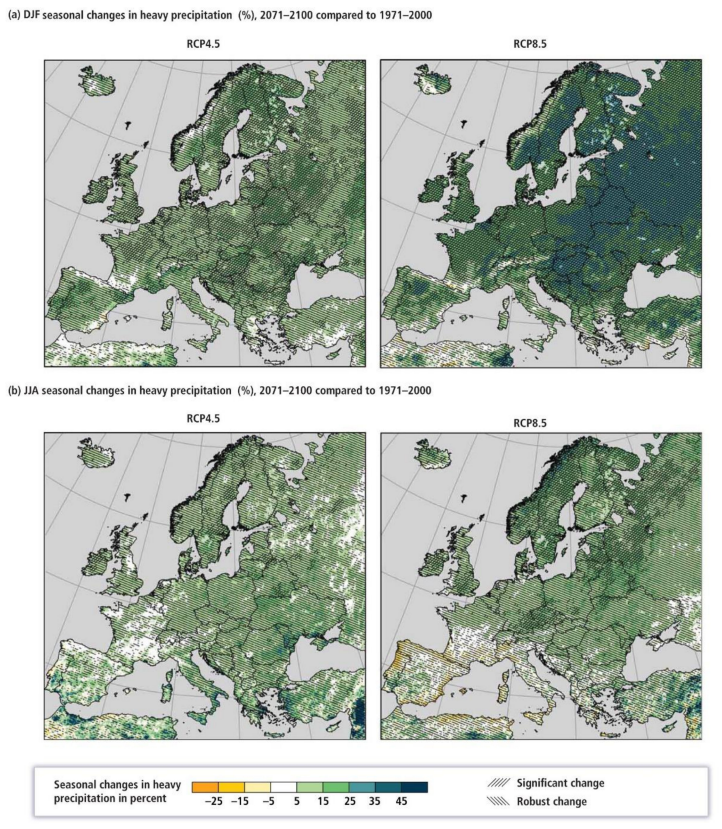
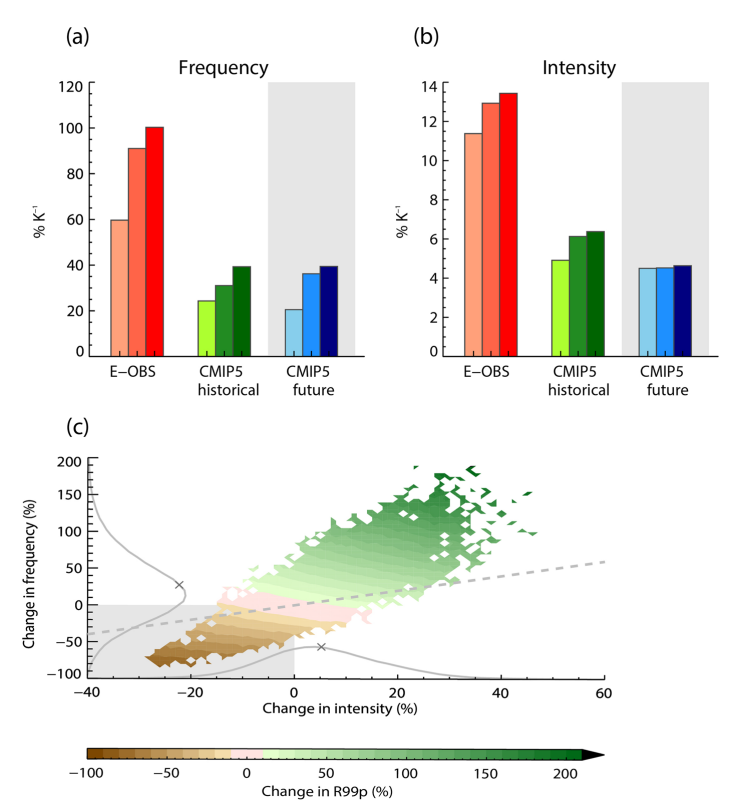
Current researches suggest that the precipitation from extreme events occurring once by decade might increase on the order of 10 times more. These changes mean that awareness and knowledge is vital to society, for example, when it comes to constructing sufficient resilient infrastructure. This mean that traditional Intensity – Duration – Frequency (IDF) curves might need to be updated and adapted to the challenges that poses the changes in the future climate.
The 5th Assessment Report of the IPCC states that the Climate Change will produce changes in flood patterns in different parts of the planets, which is linked to increments of surface temperature. As a consequence, flood events, and particularly, flash floods, set human lives at risk, having significant social and economic impacts.
Current researches suggest that the precipitation from extreme events occuring once by decade might increase on the order of 10 times more. This changes means that awarnes and knowledge is vital to society, for example, when it comes to constructing sufficient resilient infraestructure. This mean that traditional Intensity – Duration – Frequency (IDF) curves might need to be updated and adapted to the challenges that poses the changes in the future climate.